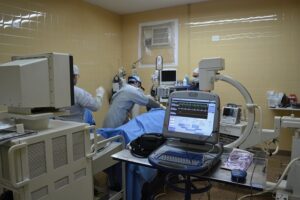
The Role of Palliative Care in Late-Stage ARDS for Older Adults
The Role of Palliative Care in Late-Stage ARDS for Older Adults
Acute Respiratory Distress Syndrome (ARDS) is a severe pulmonary condition characterized by widespread inflammation of the lungs and can lead to respiratory failure. While relatively less known, ARDS affects individuals of all ages, yet older adults tend to experience a more profound impact due to age-related comorbidities and decreased physiological reserve. In the landscape of ARDS, particularly in its late stages, palliative care emerges as a crucial support system that focuses not merely on extending life but enhancing its quality. This article explores the role of palliative care in late-stage ARDS specifically for older adults, ensuring that patients and their families can navigate this difficult journey with dignity and compassion.
Understanding ARDS is essential, especially given its complexity. The syndrome is often triggered by various causes, including pneumonia, sepsis, aspiration, or trauma, leading to significant lung inflammation, impaired gas exchange, and hypoxia. For older adults, the prognosis may be bleak, often marked by prolonged hospital stays and frequent interventions. This reality underscores the importance of considering palliative care as a fundamental part of their treatment plan, especially when curative approaches become less effective or appropriate.
The Importance of Palliative Care
Palliative care is an interdisciplinary approach aimed at alleviating suffering and improving the quality of life for patients facing serious illnesses. Unlike curative care, which seeks to eradicate disease, palliative care focuses on symptom management, psychosocial support, and communication about goals of care. This care philosophy extends throughout the course of the illness, being vital during both early and late-stage ARDS.
For older adults suffering from late-stage ARDS, palliative care can help to:
- Manage Symptoms: Patients often experience anxiety, dyspnea (shortness of breath), pain, and other troubling symptoms. Palliative care specialists can tailor interventions to alleviate these issues.
- Facilitate Decision-Making: As patients and families face choices regarding treatments, palliative care teams provide guidance grounded in the patients’ values and preferences.
- Support Families: Family members can experience immense emotional and physical strain. Palliative care offers resources, counseling, and respite to support them throughout this challenging time.
- Enhance Quality of Life: The aim is to improve the patient’s remaining time, focusing on what brings joy and comfort, rather than prolonging suffering.
Research demonstrates that early integration of palliative care can lead to improved patient outcomes, including reduced symptom burden and enhanced satisfaction with care. Understanding the goals of palliative care can help ease anxieties for both patients and caregivers, allowing them to make informed choices that respect the patient’s wishes and dignity.
Identifying Late-Stage ARDS
Late-stage ARDS is characterized by a significant decline in lung function and a patient’s overall condition. Recognizing this stage is critical for the timely implementation of palliative care. Signs of late-stage ARDS may include:
- Increased reliance on mechanical ventilation or supplemental oxygen.
- Frequent hospital admissions for respiratory distress.
- Failure to respond to conventional treatments, such as corticosteroids or antibiotics.
- Development of secondary complications, including pulmonary embolisms or infections.
- Significant functional limitations, marked by an inability to perform activities of daily living.
Older adults may exhibit broader implications of late-stage ARDS, including cognitive deterioration and frailty. As healthcare providers identify these signs, the transition to palliative care becomes not just beneficial but necessary. Many families are unaware that intervention can switch from aggressive treatments to holistic support focused on comfort and quality of life.
Approach to Palliative Care in Late-Stage ARDS
The approach to palliative care in late-stage ARDS should be multidisciplinary, incorporating medical professionals from various specialties committed to optimizing patient care. Key components include:
Symptom Management
Potential symptoms impacting patients include:
- Dyspnea is commonly experienced by ARDS patients and can be alleviated through medications like opioids or bronchodilators.
- Anxiety and agitation are frequent emotional responses; addressing these through anti-anxiety medications, counseling, or mindfulness practices can help.
- Pain management is crucial; careful assessment and treatment should align with the patient’s level of comfort and medication tolerance.
A comprehensive symptom assessment can ensure individualized care plans that respond to the unique needs of older adults experiencing late-stage ARDS.
Communication and Decision-Making
Effective communication is integral to palliative care, especially when discussing end-of-life options. Strategies include:
- Utilizing clear, compassionate language to explain medical conditions and available treatments.
- Encouraging open dialogue about patient values, goals of care, and fears related to dying.
- Guiding families through decision-making processes regarding interventions and advance care planning.
Facilitating these conversations fosters trust among patients, families, and healthcare teams, allowing for collaborative care that aligns with the patients’ wishes.
Support for Families
Families often bear the emotional and physical burden of caring for a loved one with ARDS. Palliative care encompasses:
- Providing emotional and spiritual support through counseling and guidance.
- Offering respite care options that allow family caregivers moments of rest and rejuvenation.
- Educating families about ARDS, treatment options, and what to expect in the later stages of the disease.
This level of support enables families to process their experiences and contributes to the well-being of patients, helping to create an environment of patience and understanding.
Education and Resources
Educating patients and their families about ARDS, palliative care, and available resources is key. Having an informed basis allows individuals to engage actively in their care process. Important resources include:
- Literature from reputable organizations, such as the American Thoracic Society, which offers extensive information on ARDS.
- Palliative care organizations, such as the Center to Advance Palliative Care, provide educational resources and training for families.
- Support groups and online forums, where patients and families can connect and share experiences with others undergoing similar journeys.
Utilizing these resources can help alleviate some feelings of isolation and fear, providing a community of support during a challenging period. It’s important for families to know that they are not alone and that help is available.
Common FAQs about Palliative Care in Late-Stage ARDS
Understanding common concerns and questions about palliative care for late-stage ARDS can help ease anxieties for both patients and caregivers. Some frequently asked questions include:
1. What is the difference between palliative care and hospice care?
Palliative care is appropriate at any stage of illness and can be provided alongside curative treatments. Hospice care, however, is a specific type of palliative care designed for patients nearing the end of life, generally when curative treatments are no longer pursued.
2. Can palliative care help with managing pain and discomfort?
Yes, palliative care teams are adept at managing pain through medications and other therapies, fostering a comfortable environment for patients.
3. Is palliative care available in a hospital setting?
Palliative care can be provided in multiple settings, including hospitals, outpatient clinics, and home care services, through specialized teams that work alongside existing healthcare providers.
4. How do I know if my loved one needs palliative care?
If your loved one is experiencing distressing symptoms, has a complicated illness trajectory, or is facing difficult treatment decisions, it may be beneficial to consult with a palliative care specialist.
5. Can palliative care improve quality of life?
Absolutely. Palliative care focuses on addressing the emotional, spiritual, and physical needs of patients to enhance their overall quality of life, allowing for more meaningful interactions and experiences.
Conclusion
The impact of ARDS on older adults can be profound, but integrating palliative care into late-stage management can profoundly enhance the patient and family experience. By focusing on symptom management, facilitating decision-making, and supporting families, palliative care offers vital resources and compassionate support during life’s most challenging moments. It’s essential for patients, families, and healthcare providers to work collectively to ensure that patients receive care aligned with their values and needs.
As we continue to recognize the importance of palliative care, we can foster a healthcare environment that not only addresses disease but prioritizes the humanity and dignity of every individual facing serious illness. Knowledge and collaboration are key in this endeavor, ensuring that older adults with late-stage ARDS receive the care they so richly deserve.
For further reading, consider exploring articles from:
- National Center for Biotechnology Information for a detailed study on the role of palliative care in serious illnesses.
- Cambridge University Press for an academic analysis of palliative care in ARDS.
About ARDS and Post-ARDS
ARDS (Acute Respiratory Distress Syndrome) is a life-threatening condition typically treated in an Intensive Care Unit (ICU). While ARDS itself is addressed during the ICU stay, recovery doesn’t end with discharge; patients then embark on a journey of healing from the effects of having had ARDS.
Disclaimer
The information provided in ARDS Alliance articles is for general informational and educational purposes only and is not a substitute for professional medical advice, diagnosis, or treatment. While we strive to present accurate, current information, the field of Acute Respiratory Distress Syndrome (ARDS) and related healthcare practices evolve rapidly, and ARDS Alliance makes no guarantee regarding the completeness, reliability, or suitability of the content.
Always seek the advice of qualified healthcare professionals with any questions you may have regarding a medical condition. Never disregard professional medical advice or delay seeking it because of information you read in ARDS Alliance articles. ARDS Alliance, its authors, contributors, and partners are not liable for any decision made or action taken based on the information provided in these articles.
About ARDS Alliance
Our mission is to improve the quality of life for ALL those affected by ARDS.
The ARDS Alliance is a non-profit committed to raising awareness and enhancing the understanding of Acute Respiratory Distress Syndrome (ARDS), a severe lung condition often occurring in critically ill patients. Through developing alliances, it unites various organizations and experts striving to improve care and support research aimed at finding more effective treatments. Their efforts include educating the public and healthcare providers about ARDS symptoms, risk factors, and advancements in treatment, ensuring better patient outcomes and resource availability.

“As the President of ARDS Alliance, I am dedicated to improving awareness and support for patients suffering from acute respiratory distress syndrome. Our organization works tirelessly to provide resources and education to both patients and healthcare professionals. By fostering a community of understanding and advocacy, we strive to make a positive impact on those affected by this devastating condition.”
~ Paula Blonski
President, ARDS Alliance
ARDS Articles