The Challenges of Diagnosing ARDS in Rural Hospitals
The Challenges of Diagnosing ARDS in Rural Hospitals
Acute Respiratory Distress Syndrome (ARDS) is a life-threatening condition characterized by rapid onset of respiratory failure, typically triggered by various causes such as pneumonia, sepsis, or trauma. Although significant, the understanding and management of ARDS remain a complex challenge, particularly in rural hospitals. These healthcare settings often face an array of obstacles that contribute to delays or difficulties in diagnosis, which can significantly impact patient outcomes. As advocates for those impacted by ARDS, it is essential to illuminate these challenges while providing hope and guidance for affected individuals and their families.
Understanding ARDS and Its Definition
ARDS is primarily marked by widespread inflammation in the lungs leading to decreased oxygen exchange. Patients experience acute onset of respiratory symptoms, typically accompanied by hypoxemia and bilateral opacities on chest X-ray. The Berlin Definition categorizes ARDS into three severity levels based on the degree of hypoxemia: mild, moderate, and severe. Given this complexity, understanding ARDS first requires a precise diagnosis, a task that can be particularly challenging in rural settings.
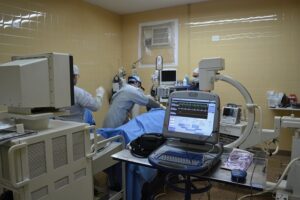
Rural hospitals may not have access to the same resources and specialists found in larger, urban institutions. This discrepancy can lead to delays in recognizing ARDS or misdiagnosis, further complicating the patient’s condition. Limited access to advanced imaging technology, diagnostic tests, and specialized care are all potential consequences that contribute to the challenges of diagnosing ARDS.
- ARDS is defined as acute onset of respiratory failure.
- Berlin Definition classifies ARDS into mild, moderate, or severe categories.
- Diagnosis requires a comprehensive assessment and sometimes advanced imaging.
- Resource limitations in rural hospitals can complicate accurate diagnosis.
Lack of Specialized Training and Experience
Healthcare professionals in rural settings may not have the same level of training or experience as their urban counterparts. They often juggle multiple roles, leading to a generalized approach to patient care rather than specialization. This lack of specialization can inhibit the ability to recognize the subtle signs of ARDS early in the disease process. Without a high index of suspicion, the diagnosis may be delayed, impacting treatment decisions.
Additionally, rural areas might have fewer opportunities for continuous education or access to current medical literature on evolving conditions such as ARDS. Since ARDS shares symptoms with various other respiratory conditions, a thorough understanding of the disease by the healthcare team is paramount. Continued education and awareness for healthcare providers is critical in ensuring timely diagnosis and intervention.
- Rural professionals may lack specialized training in critical care.
- Healthcare providers often wear multiple hats, limiting specialty focus.
- Reduced access to continuing education can hinder knowledge about ARDS.
- Timely diagnosis requires a high index of suspicion and awareness of ARDS signs.
Diagnostic Limitations: Equipment and Technologies
The limitations of diagnostic equipment in rural hospitals can also delay ARDS diagnosis. Advanced imaging techniques, such as CT scans, may not be readily available, resulting in dependency on available modalities such as chest X-rays. While X-rays can show certain changes, they lack the sensitivity required for early detection of ARDS. Additionally, access to laboratory tests that evaluate the cause of respiratory failure may also be restricted.
Even basic monitoring equipment can be in short supply, contributing to potential mismanagement of critical patients. The challenge intensifies when patients may directly present in severe respiratory distress, necessitating immediate intervention. Thus, the reliance on outdated or limited diagnostic modalities can severely impact the early recognition and treatment of ARDS.
- Access to advanced imaging technology is limited.
- Chest X-rays may not be reliable for early diagnosis of ARDS.
- Laboratory testing for underlying causes may be restricted.
- Basic monitoring equipment shortages can mismanage critical cases.
Communication Barriers and Transfer Protocols
Communication hurdles can significantly impact the diagnosis and management of ARDS. Rural hospitals often serve large areas, leading to potential miscommunication during patient transfers or referrals to tertiary care centers. These inefficiencies may result in loss of crucial medical information vital for making an informed diagnosis.
Moreover, protocols for transferring critically ill patients may be unclear or inadequately established. In emergent situations, the speed and accuracy of patient transfer are essential. If healthcare providers lack standardized guidelines for managing ARDS in the rural setting, the eventual transfer could result in further deterioration of the patient’s condition during travel.
- Communication challenges exist during patient transfer processes.
- Loss of critical medical information can lead to mismanagement.
- Unclear transfer protocols increase the risk of patient deterioration.
- Education about standardized guidelines is essential for effective management.
The Role of Telemedicine as a Solution
Telemedicine emphasizes leveraging technology to bridge the gap between rural healthcare providers and specialists. With the growing incorporation of telemedicine, healthcare workers in rural hospitals can have direct consultations with ARDS specialists at tertiary centers. This collaboration can facilitate faster diagnoses and improve the management of patients by providing access to expert advice when needed.
Implementing telemedicine can also provide ongoing education and training for rural healthcare providers. Moreover, it allows for better patient monitoring, particularly for those with deteriorating respiratory conditions. In essence, harnessing telemedicine could significantly mitigate the diagnostic challenges faced in rural hospitals related to ARDS.
- Telemedicine connects rural hospitals with ARDS specialists.
- Facilitates faster diagnosis and tailored management plans.
- Improves continuing education opportunities for healthcare providers.
- Enhances patient monitoring and follow-up care.
Multidisciplinary Collaboration for Comprehensive Care
In addressing ARDS, a multidisciplinary approach can enhance patient outcomes. Collaboration among respiratory therapists, critical care nurses, and physicians leads to a comprehensive understanding of complex cases. This teamwork is especially important in rural settings, where resources may be strained. The involvement of a diverse caregiving team can aid in recognizing and efficiently addressing ARDS symptoms.
By establishing multidisciplinary rounds or case reviews, rural hospitals can create an environment conducive to learning and improve diagnostic acumen. Engaging various specialists ensures that each aspect of the patient’s care, from diagnosis to treatment, is considered holistically. Fostering teamwork can significantly contribute to diagnosing ARDS while providing emotional support for patients and families who may feel overwhelmed.
- A multidisciplinary team enhances patient outcomes for ARDS.
- Collaborative case reviews can improve diagnostic ability.
- Diverse specialists ensure comprehensive evaluation and treatment.
- Teamwork fosters emotional support for patients and their families.
Frequently Asked Questions (FAQs)
What are the early signs of ARDS?
The early signs of ARDS may include sudden shortness of breath, rapid breathing, coughing, and low blood oxygen levels. Patients often experience a feeling of suffocation, even at rest. This hypersensitivity to respiratory distress necessitates immediate medical attention.
How is ARDS diagnosed?
Diagnosis involves a combination of medical history, physical examination, imaging tests (such as chest X-ray or CT scans), and sometimes laboratory tests to identify potential causes. The Berlin Definition helps classify the severity of ARDS cases.
What are the common risks or causes of ARDS?
Common causes may include pneumonia, sepsis, aspiration of gastric contents, trauma, or COVID-19. It is essential for healthcare providers to recognize these risks when treating patients.
What can caregivers do to help an ARDS patient?
Caregivers can assist by providing emotional support, ensuring effective communication with healthcare providers, and encouraging the patient to follow medical guidance. Keeping a journal of symptoms and treatment can also help in managing care effectively.
Resources and References
For more information on ARDS, the following resources can be helpful:
- ARDS Foundation: Information and resources on ARDS.
- CDC: Research and statistics related to ARDS
- PubMed: Research articles and studies on ARDS.
- American Thoracic Society: Clinical resources for ARDS.
Conclusion
Diagnosing ARDS in rural hospitals presents unique challenges that can adversely affect patient outcomes. From equipment limitations and lack of specialized training to communication barriers and insufficient access to specialists, these challenges must be addressed collaboratively. Efforts must be made to harness telemedicine, cultivate multidisciplinary teams, and provide comprehensive education to healthcare professionals in rural areas. As we continue to advocate for those impacted by ARDS, we must persist in our mission to raise awareness about the condition, equip healthcare systems with necessary resources, and empower affected individuals and their families with knowledge and support. By doing so, we can promote timely diagnosis and optimal care, ultimately improving the prognosis for individuals facing this daunting syndrome.
About ARDS and Post-ARDS
ARDS (Acute Respiratory Distress Syndrome) is a life-threatening condition typically treated in an Intensive Care Unit (ICU). While ARDS itself is addressed during the ICU stay, recovery doesn’t end with discharge; patients then embark on a journey of healing from the effects of having had ARDS.
Disclaimer
The information provided in ARDS Alliance articles is for general informational and educational purposes only and is not a substitute for professional medical advice, diagnosis, or treatment. While we strive to present accurate, current information, the field of Acute Respiratory Distress Syndrome (ARDS) and related healthcare practices evolve rapidly, and ARDS Alliance makes no guarantee regarding the completeness, reliability, or suitability of the content.
Always seek the advice of qualified healthcare professionals with any questions you may have regarding a medical condition. Never disregard professional medical advice or delay seeking it because of information you read in ARDS Alliance articles. ARDS Alliance, its authors, contributors, and partners are not liable for any decision made or action taken based on the information provided in these articles.
About ARDS Alliance
Our mission is to improve the quality of life for ALL those affected by ARDS.
The ARDS Alliance is a non-profit committed to raising awareness and enhancing the understanding of Acute Respiratory Distress Syndrome (ARDS), a severe lung condition often occurring in critically ill patients. Through developing alliances, it unites various organizations and experts striving to improve care and support research aimed at finding more effective treatments. Their efforts include educating the public and healthcare providers about ARDS symptoms, risk factors, and advancements in treatment, ensuring better patient outcomes and resource availability.

I am dedicated to advancing research and education about Acute Respiratory Distress Syndrome. Our mission is to improve outcomes for patients and their families by providing support and resources for healthcare professionals. Together, we can make a difference in the lives of those affected by ARDS.
~ Paula Blonski
President, ARDS Alliance
ARDS Articles