How Pediatric ARDS Differs in Developed and Developing Countries
How Pediatric ARDS Differs in Developed and Developing Countries
Acute Respiratory Distress Syndrome (ARDS) is a life-threatening condition that can occur in children and infants. It is characterized by acute onset of respiratory failure, leading to significant morbidity and mortality. Although the underlying pathophysiology remains consistent, the management and outcomes of pediatric ARDS can differ significantly between developed and developing countries due to various factors, including healthcare infrastructure, access to technology, prevalence of infections, and socioeconomic conditions.
This article seeks to highlight these differences while considering the implications for the management and outcomes of pediatric ARDS. As families navigate the complexities of this syndrome, understanding the disparities can alleviate some anxiety and promote informed discussion with healthcare providers.
Understanding ARDS in Pediatric Populations
ARDS in children generally manifests due to an underlying illness or external stressors that compromise lung function. Common causes include pneumonia, sepsis, trauma, aspiration, and systemic inflammatory response syndrome (SIRS). The clinical presentation often involves hypoxemia, respiratory distress, and decreased compliance in the lungs. Although children and infants do not always present with classic symptoms, they may exhibit signs of respiratory failure, requiring urgent and specialized care.
ARDS can also be classified into two types based on the timing of onset: early ARDS (within 7 days of the initiating event) and late ARDS (more than 7 days after). Understanding the phase of ARDS is essential for guiding treatment and managing expectations among caregivers. Pediatric cases can exhibit a range of severity and may progress rapidly, underscoring the need for diligent monitoring and intervention.
- Acute onset of respiratory distress
- Hypoxemia often evident, requiring supplemental oxygen
- Pediatric ARDS can develop from a variety of etiologies
- Understanding onset classification is vital for appropriate management
Healthcare Infrastructure: A Determining Factor
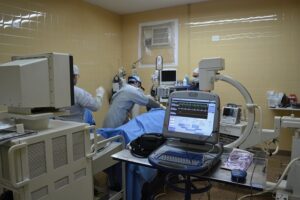
In developed countries, healthcare systems are usually better equipped to handle ARDS cases. Advanced technologies, such as non-invasive ventilation, high-frequency oscillatory ventilation, and extracorporeal membrane oxygenation (ECMO), are widely available. The accessibility to pediatric intensive care units (PICUs) with trained staff allows for rapid diagnosis and initiation of appropriate therapies.
In contrast, many developing countries face challenges in health infrastructure that limit effective ARDS management. Shortages of trained healthcare professionals, under-resourced medical facilities, and access to advanced medical technology can contribute to worse outcomes. Moreover, there may be a lack of comprehensive national protocols or guidelines for the management of ARDS in pediatric patients, creating further inconsistency in care.
- Developed countries often have specialized pediatric units, providing advanced technology and care
- Limited resources in developing nations can restrict access to standardized treatment
- Training and education of healthcare providers are crucial for improving ARDS outcomes
- Implementation of national protocols can lead to more uniform care across communities
Prevalence of Infections and Underlying Health Conditions
Infectious diseases viral or bacterial, are a significant cause of ARDS and vary significantly between developed and developing regions. In high-income countries, improved vaccination programs tend to lead to lower incidences of severe infections that can precipitate ARDS, while children in lower-income settings may be exposed to a higher burden of respiratory infections, malnutrition, and preventable diseases.
Pre-existing health conditions also differ based on socioeconomic factors, with children in developing countries often suffering from chronic malnutrition, a prevalence of communicable diseases, and limited access to preventive care. The prevalence of these underlying health conditions may predispose them to more severe forms of ARDS compared to pediatric populations in developed countries.
- High-income nations benefit from successful vaccination programs reducing ARDS triggers
- Malnutrition and communicable diseases are prevalent in developing regions, contributing to ARDS incidence
- Chronic health issues can complicate the management and recovery of ARDS in pediatric patients
- Preventive care and education on health may reduce the overall burden of ARDS in vulnerable populations
Access to Diagnostic and Therapeutic Interventions
Time is a critical factor in treating pediatric ARDS. In developed countries, patients typically have quicker access to advanced diagnostic tools and therapeutic interventions, such as imaging studies and pulmonary function tests. Early identification of the underlying cause of ARDS enables targeted therapy, which is crucial for improving outcomes.
Conversely, in many developing nations, delays in diagnosis are common due to limited healthcare access or lack of diagnostic facilities. In some communities, healthcare providers may primarily rely on clinical judgment rather than sophisticated diagnostic testing, which can lead to misdiagnosis or delayed treatment. This delay can result in disease progression, compounding the severity of ARDS at the time of diagnosis.
- Quick access to diagnostic tools in developed countries facilitates early intervention
- Diagnosis may be delayed in low-resource settings, complicating treatment
- Clinical judgment without diagnostic testing can lead to misdiagnosis
- Improving healthcare access and diagnostic capabilities can enhance patient outcomes
Management Protocols and Guidelines
The recognition and treatment of pediatric ARDS have evolved significantly over the past decades, especially in developed countries where guidelines such as those from the Pediatric Acute Lung Injury Consensus Conference (PALICC) provide evidence-based recommendations for management. These guidelines encompass indication criteria for mechanical ventilation, sedation protocols, and fluid management strategies tailored to children.
However, developing countries may lack such comprehensive protocols or the ability to implement guidelines effectively. This inconsistency leads to varied practices among healthcare providers, adding to the challenge of effective management of pediatric ARDS. Emphasizing the importance of adapting and implanting relevant guidelines to local contexts could significantly enhance care outcomes.
- Developed countries benefit from standardized guidelines for ARDS management
- Implementation of protocols in developing nations can improve patient outcomes
- Instilling confidence and knowledge among providers through training helps reduce variability in care
- Local adaptation of guidelines considering resource availability is crucial
Outcomes and Prognosis
The prognosis of pediatric ARDS largely hinges on timely diagnosis and initiation of appropriate support. Children in developed nations generally demonstrate improved survival rates due to access to advanced medical care and technologies. Moreover, robust post-discharge follow-up and support systems contribute to better long-term outcomes.
In developing countries, the scenario often differs. High mortality rates associated with pediatric ARDS can be attributed to late presentation, inadequate supportive care, and other compounding factors, such as malnutrition and untreated pre-existing conditions. There is also a significant mental health burden on families coping with the stress of seeing their child critically ill, which may be exacerbated by insufficient resources and support systems.
- The prognosis for pediatric ARDS is markedly better in developed nations
- Long-term follow-up care is essential for recovery and monitoring
- High mortality rates in developing countries call for urgent interventions
- Providing family support is crucial in easing psychological burdens associated with ARDS
FAQs about Pediatric ARDS
1. What are the primary causes of pediatric ARDS?
The main causes of pediatric ARDS include pneumonia, sepsis, trauma, and aspiration. Pre-existing health problems such as congenital heart disease or chronic lung disease also increase the risk.
2. Can ARDS be predicted or prevented in children?
While ARDS cannot be definitively predicted, certain risk factors, such as respiratory infections and pre-existing health conditions, can prompt closer monitoring and early intervention.
3. What treatment options are available for children with ARDS?
Treatment options may involve supplemental oxygen, mechanical ventilation, administered medications to maintain lung function, and addressing the underlying condition causing ARDS. Moreover, supportive care and meticulous fluid management are essential.
4. What is the long-term prognosis for children who survive ARDS?
Most children who survive ARDS experience a return to baseline health; however, some may have lingering pulmonary function issues. Continuous follow-up and monitoring are crucial.
5. How can parents support their child post-ARDS recovery?
Parents can aid recovery by ensuring follow-up appointments, supporting healthy nutritional habits, and promoting emotional well-being through open communication about their child’s health.
Conclusion
Understanding how pediatric ARDS varies between developed and developing countries provides essential insights into the complexities of this serious condition. The differences can shape treatment outcomes, healthcare access, and ultimately the survival of affected children. By recognizing the obstacles faced in developing nations while deploying strategies to adapt healthcare practices to local contexts, we can work towards improving the quality of care for pediatric ARDS patients globally.
As families and caregivers navigate the challenges posed by pediatric ARDS, information, support, and collaboration with healthcare providers are critical. Greater awareness and understanding of the condition can instill confidence, reduce anxiety, and promote a conducive environment for recovery.
References
About ARDS and Post-ARDS
ARDS (Acute Respiratory Distress Syndrome) is a life-threatening condition typically treated in an Intensive Care Unit (ICU). While ARDS itself is addressed during the ICU stay, recovery doesn’t end with discharge; patients then embark on a journey of healing from the effects of having had ARDS.
Disclaimer
The information provided in ARDS Alliance articles is for general informational and educational purposes only and is not a substitute for professional medical advice, diagnosis, or treatment. While we strive to present accurate, current information, the field of Acute Respiratory Distress Syndrome (ARDS) and related healthcare practices evolve rapidly, and ARDS Alliance makes no guarantee regarding the completeness, reliability, or suitability of the content.
Always seek the advice of qualified healthcare professionals with any questions you may have regarding a medical condition. Never disregard professional medical advice or delay seeking it because of information you read in ARDS Alliance articles. ARDS Alliance, its authors, contributors, and partners are not liable for any decision made or action taken based on the information provided in these articles.
About ARDS Alliance
Our mission is to improve the quality of life for ALL those affected by ARDS.
The ARDS Alliance is a non-profit committed to raising awareness and enhancing the understanding of Acute Respiratory Distress Syndrome (ARDS), a severe lung condition often occurring in critically ill patients. Through developing alliances, it unites various organizations and experts striving to improve care and support research aimed at finding more effective treatments. Their efforts include educating the public and healthcare providers about ARDS symptoms, risk factors, and advancements in treatment, ensuring better patient outcomes and resource availability.

I am dedicated to advancing research and education about Acute Respiratory Distress Syndrome. Our mission is to improve outcomes for patients and their families by providing support and resources for healthcare professionals. Together, we can make a difference in the lives of those affected by ARDS.
~ Paula Blonski
President, ARDS Alliance
ARDS Articles