ARDS Recovery Stories: Inspirational Accounts from Survivors
ARDS Recovery Stories: Inspirational Accounts from Survivors
Acute Respiratory Distress Syndrome (ARDS) is a severe condition characterized by widespread inflammation in the lungs, leading to respiratory failure and requiring intensive medical care. The experience of ARDS is daunting, both for patients and their families, as it often comes on suddenly and with little warning. However, within this terrifying reality lie numerous stories of courage, resilience, and hope. This article aims to explore those inspirational accounts from ARDS survivors, shedding light on their journeys toward recovery and the profound lessons they’ve learned along the way.
Understanding ARDS requires awareness of the medical landscape from which these survivors emerge. The condition typically manifests as a response to various triggers such as pneumonia, sepsis, or trauma, leading to a drastic decrease in lung function. This results in inadequate oxygenation of the blood and may necessitate mechanical ventilation in the intensive care unit (ICU). While the path to recovery can often be long and arduous, each survivor’s story offers a testament to the human spirit’s ability to endure, heal, and ultimately thrive.
Survivor Story 1: John’s Journey through the Storm
One of the most resonant stories comes from John, a 55-year-old father who faced ARDS after contracting COVID-19. Before falling ill, John was active, working long hours and staying fit through outdoor activities. When COVID-19 struck, his condition quickly deteriorated, and he found himself in the ICU, fighting for his life. For weeks, John was placed on a ventilator, unable to interact with his loved ones as they waited anxiously for any signs of improvement.
During his hospitalization, John faced many ups and downs, battling not only the physical demands of ARDS but also the emotional toll it took on him and his family. One point in his recovery that stood out was when he first managed to breathe on his own again. “It felt like I was coming back to life,” he recalls. The moment was filled with tears, not just of joy but of disbelief at having survived something so traumatic.
- COVID-19 as a trigger for ARDS.
- Importance of family support during hospitalization.
- Significance of small victories in the recovery process.
John’s journey didn’t end once he left the hospital. Recovery from ARDS does not solely entail regaining physical strength; it also involves addressing mental health struggles. Post-ICU syndrome, which includes anxiety, depression, and cognitive challenges, is common among ARDS survivors. John began engaging in cognitive therapy, focusing on mindfulness techniques to manage anxiety and regain his mental acuity.
Ultimately, John’s story is one of resilience. After months of intensive rehabilitation, he has returned to some of his favorite activities, albeit with a newfound appreciation for life and health. “I don’t take anything for granted anymore. Every breath is a gift,” he says.
Survivor Story 2: Maria’s Path of Healing
Maria’s experience with ARDS was sparked by severe pneumonia that escalated rapidly. At just 32 years old, she had just given birth to a healthy baby girl when she found herself struggling to breathe one week later. Maria was rushed to the hospital and soon became a patient in the ICU. What followed was an intense struggle, characterized by moments of profound fear and uncertainty.
During her treatment, Maria was awake and aware for some of her time in the ICU, which was both a blessing and a curse. The medical staff helped her understand her condition even in moments when she felt lost and frightened. “I remember hearing the machines beep, and feeling so helpless,” she recounts. The medical team advocated strongly for early mobility, encouraging her to sit up and engage with her surroundings, which kept her spirits high.
- Early mobility as a recovery tool.
- Tactics for mental coping during intricate situations.
- Support systems available in ICUs.
Maria credits much of her recovery to the holistic support she received—both medical and emotional. After her discharge, she joined a support group for ARDS survivors, which helped her navigate the emotional labyrinth of adapting back to life outside the hospital and bonding with her newborn. “Connecting with others who had experienced the same fear and uncertainty was life-changing,” she reflects.
Through her recovery, Maria emphasized the importance of a gradual return to normalcy. She engaged in physical therapy focused on strengthening her lungs and gradually increasing her stamina. Today, she is back to caring for her daughter and living an active life—one that she appreciates deeply every day.
Comprehending the Recovery Process
The stories of John and Maria highlight the complex and multifaceted nature of ARDS recovery. For many, the journey often involves both physical rehabilitation and mental health support. Understanding what survivors might experience can be empowering for those who find themselves facing similar circumstances. Here are some key components of the recovery process:
- Physical Rehabilitation: This often includes breathing exercises, physical therapy, and walking programs designed to rebuild strength and endurance.
- Mental Health Support: Engaging with a therapist or joining support groups can help address feelings of anxiety, PTSD, and depression that arise post-ARDS.
- Nutrition: A balanced diet can play a crucial role in recovery. Ensuring adequate nutrition helps restore energy levels and aids in overall healing.
- Follow-up Care: Regular check-ins with healthcare providers are vital to monitor lung function and any lingering symptoms of ARDS.
Survivor Story 3: David’s Second Chance
David’s story diverges from the previously mentioned accounts in that his ARDS stemmed from an unfortunate car accident, which led to significant trauma and lung injury. The road to recovery was not just lengthy; it was also filled with frustrating setbacks. Initially confined to the hospital for weeks, David faced the harsh reality of being dependent on machines for survival.
As part of his treatment, medical staff used sedation protocols that rendered him unaware of much that was happening around him during the first few weeks of his stay. It wasn’t until he began waking up and experiencing the world again that he realized the extent of his journey ahead. His first memories include seeing his family through the glass of the ICU room and writing notes to communicate.
- Importance of effective communication during ICU stays.
- Understanding the role of sedation in critical care.
- Experiencing family dynamics from the perspective of a patient.
Over time, David started to regain physical strength through a combination of respiratory therapy and physical rehabilitation. The patience and encouragement from the healthcare team were crucial at this juncture, as he learned to sit up, then stand, and eventually walk again. Taking each small victory as a cue to keep pushing forward became a mantra for him.
Reflecting on his experience, David stresses the significance of the healthcare environment in cultivating hope and resilience. He found joy in the support he received from fellow patients and the nursing staff who tended to him. “We were all in it together, cheering for one another,” he shared.
Moving Forward: Life After ARDS
As we wrap up these accounts, it’s important to look at the themes that emerge from the experiences of ARDS survivors. Recognizing that recovery extends beyond the physical elements emphasizes that emotional health is equally important. Individuals often find themselves in need of comprehensive healing that bridges both body and mind. Some critical aspects of moving forward include:
- Community Support: Building a community of fellow survivors can provide vital emotional support and encouragement.
- Continuing Care: Regular follow-ups with lung specialists can help in monitoring any residual complications from ARDS.
- Advocacy: Survivors often become advocates for ARDS awareness, sharing their stories to improve understanding of the condition and its implications.
- Mindfulness Practices: Engaging in mindfulness or meditation can help ease anxiety and enhance emotional well-being.
Frequently Asked Questions (FAQs)
What are the first signs of ARDS?
ARDS often presents with rapid breathing, shortness of breath, and a feeling of suffocation. Patients may also have an underlying cause such as pneumonia or sepsis.
How long does it take to recover from ARDS?
Recovery can vary widely from person to person, and it may take several weeks to months, depending on the severity of the syndrome and individual health conditions.
What kind of rehabilitation is needed after ARDS?
Rehabilitation typically includes pulmonary rehabilitation, physical therapy, and counseling to address psychological effects.
Where can I find support as an ARDS survivor?
Numerous organizations and online communities, such as the ARDS Foundation, offer support and resources to patients and families impacted by ARDS.
Conclusion
The stories of John, Maria, and David illuminate not just the harsh realities of battling ARDS but also the miraculous potential for recovery and resilience that lies in each survivor. The recovery journey is indeed complex, yet filled with moments of grace and inspiration. By sharing these personal experiences, we hope to foster understanding, compassion, and encouragement for those who may find themselves on similar paths.
As knowledge regarding ARDS continues to evolve, it’s vital to collect and share these narratives, as they serve as a beacon of hope for many. For healthcare providers, families, and friends, understanding the full spectrum of recovery—from physical rehabilitation to emotional healing—is essential to support those affected by this challenging condition.
We encourage anyone affected with ARDS, or those supporting someone affected, to embrace the stories of survival and resilience as they navigate their unique journey—together, towards recovery and renewed life.
For further reading and resources, visit:
About ARDS and Post-ARDS
ARDS (Acute Respiratory Distress Syndrome) is a life-threatening condition typically treated in an Intensive Care Unit (ICU). While ARDS itself is addressed during the ICU stay, recovery doesn’t end with discharge; patients then embark on a journey of healing from the effects of having had ARDS.
Disclaimer
The information provided in ARDS Alliance articles is for general informational and educational purposes only and is not a substitute for professional medical advice, diagnosis, or treatment. While we strive to present accurate, current information, the field of Acute Respiratory Distress Syndrome (ARDS) and related healthcare practices evolve rapidly, and ARDS Alliance makes no guarantee regarding the completeness, reliability, or suitability of the content.
Always seek the advice of qualified healthcare professionals with any questions you may have regarding a medical condition. Never disregard professional medical advice or delay seeking it because of information you read in ARDS Alliance articles. ARDS Alliance, its authors, contributors, and partners are not liable for any decision made or action taken based on the information provided in these articles.
About ARDS Alliance
Our mission is to improve the quality of life for ALL those affected by ARDS.
The ARDS Alliance is a non-profit committed to raising awareness and enhancing the understanding of Acute Respiratory Distress Syndrome (ARDS), a severe lung condition often occurring in critically ill patients. Through developing alliances, it unites various organizations and experts striving to improve care and support research aimed at finding more effective treatments. Their efforts include educating the public and healthcare providers about ARDS symptoms, risk factors, and advancements in treatment, ensuring better patient outcomes and resource availability.
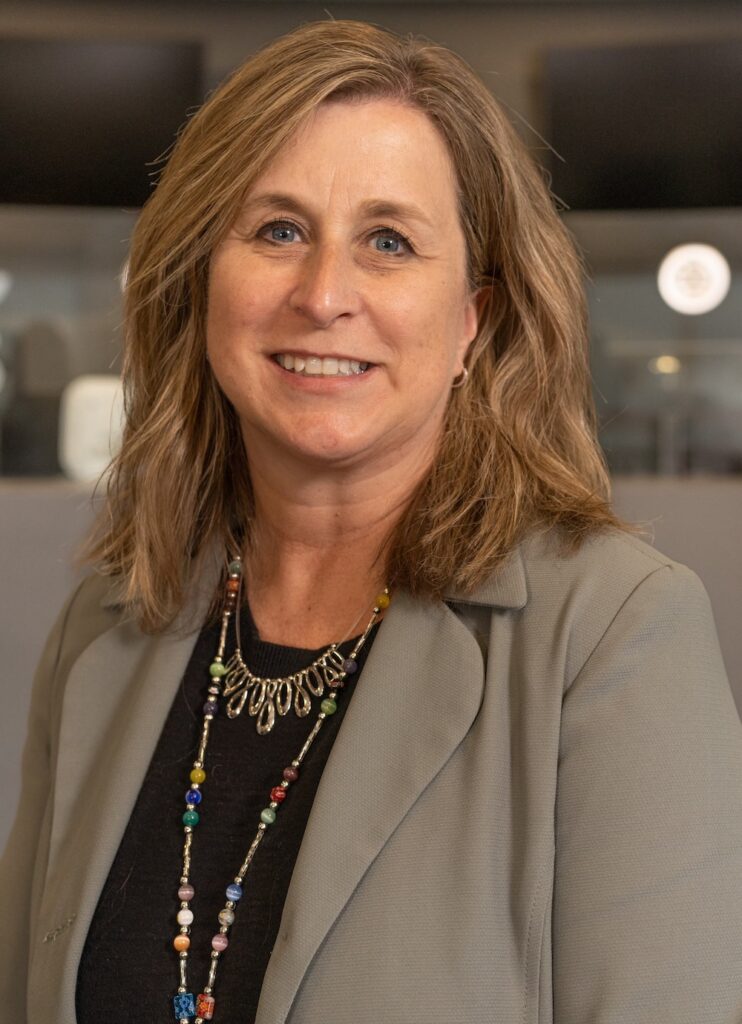
I am committed to improving the lives of those affected by acute respiratory distress syndrome. Our organization provides resources and support to patients, families, and healthcare professionals. Together, we work towards raising awareness and advancing research in order to find better treatments and ultimately a cure.
~ Paula Blonski
President, ARDS Alliance
ARDS Articles