Therapeutic Hypothermia in Pediatric ARDS: What to Know
Therapeutic Hypothermia in Pediatric ARDS: What to Know
Acute Respiratory Distress Syndrome (ARDS) is a life-threatening condition characterized by acute lung injury and severe respiratory failure. This syndrome predominantly affects children, particularly those with underlying health conditions, and can result from a variety of causes including pneumonia, sepsis, and trauma, among others. The emotional toll of ARDS on both the patient and their family can be overwhelming, filled with fear, uncertainty, and anxiety. One emerging area of interest in pediatric ARDS management is therapeutic hypothermia. This article aims to demystify therapeutic hypothermia, its efficacy in treating pediatric ARDS, and what families should know about this therapeutic approach.
Therapeutic hypothermia involves deliberately lowering the body temperature to protect organs and tissues during periods of increased stress, including respiratory distress. The primary goal is to minimize the inflammatory response in the lungs and to mitigate potential cellular damage caused by low oxygen levels. As more pediatric cases of ARDS come to medical attention, the need for effective treatment modalities like therapeutic hypothermia is becoming increasingly relevant.
Understanding Acute Respiratory Distress Syndrome (ARDS)
ARDS is defined by the Berlin definition as a clinical picture of assessed hypoxemia, along with bilateral opacities on chest imaging, in the absence of heart failure. It can result from direct lung injury (like pneumonia or aspiration) or indirect lung injury (like sepsis). In children, ARDS can progress rapidly, often requiring intensive care unit (ICU) admission.
Key points to understand about pediatric ARDS include:
- Incidence: ARDS in children is less common than in adults, but it can still occur in critically ill infants and young children.
- Risk Factors: Pre-existing conditions such as congenital heart disease, chronic lung disease, or immunosuppression can increase the risk of developing ARDS.
- Symptoms: Symptoms may include rapid breathing, grunting, low oxygen levels, and possibly signs of distress like nasal flaring and retractions.
- Diagnosis: Diagnosis is made based on clinical criteria, imaging, and sometimes supplementary investigations such as blood tests to evaluate oxygen and carbon dioxide levels.
The Mechanism Behind Therapeutic Hypothermia
The principle behind therapeutic hypothermia lies in its ability to slow metabolic processes and reduce the body’s overall energy demand. When the body temperature is lowered, the metabolic activity of cells decreases, which in turn helps minimize tissue damage in the lungs and other organs. In pediatric ARDS, where the inflammatory response is significant, this can be particularly beneficial.
Key physiological effects of therapeutic hypothermia include:
- Inflammation Reduction: Hypothermia can mitigate inflammatory cascades that lead to pulmonary edema and further lung injury.
- Improved Oxygen Delivery: Lowering body temperature can improve the delivery of oxygen to tissues by reducing metabolic demand, which is critical in ARDS where oxygenation is compromised.
- Neuroprotection: Hypothermia may protect brain tissue as well, particularly in cases where hypoxia and respiratory failure may compromise cerebral function.
Clinical Application of Therapeutic Hypothermia
In clinical settings, therapeutic hypothermia is typically induced and maintained over a course of 24 to 72 hours, depending on the child’s specific condition and the protocol being followed. The most common methods of inducing hypothermia include:
- Surface Cooling: Use of cooling blankets or pads that lower the skin temperature to induce systemic cooling.
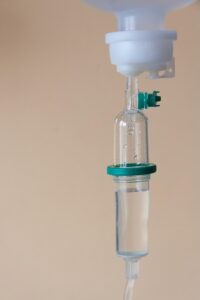
- Intravenous Cold Saline: Administering cold saline solutions to help reduce body temperature effectively.
- Endovascular Cooling: Inserting a catheter into a central vein to circulate cooled fluids directly into the bloodstream.
After initiating hypothermia, continuous monitoring is essential, including vital signs, laboratory values, and neurological status. Clinicians will carefully adjust interventions based on the child’s response to treatment.
Benefits of Therapeutic Hypothermia in Pediatric ARDS
The potential benefits of therapeutic hypothermia in managing pediatric ARDS are supported by emerging research. Some key benefits include:
- Reduced Mortality Rates: Studies have suggested that therapeutic hypothermia may contribute to lower mortality rates in critically ill pediatric patients. Children with ARDS who undergo this treatment may experience better outcomes.
- Improved Lung Function: Hypothermia can lead to improved outcomes in terms of lung function, permitting better gas exchange and stabilization of respiratory parameters.
- Shortened Duration of Ventilator Support: Therapeutic hypothermia may enable sooner weaning off mechanical ventilation, promoting faster recovery and reducing the need for prolonged ICU stays.
Risks and Considerations
While therapeutic hypothermia shows promise, it is also critical to be aware of potential risks and drawbacks associated with the treatment. These may include:
- Infection Risk: Inducing hypothermia can increase susceptibility to infections, particularly pneumonia or sepsis in an already vulnerable population.
- Coagulation Changes: Hypothermia may affect blood clotting mechanisms, potentially increasing the risk of bleeding or clot formation.
- Shivering and Discomfort: Children may experience discomfort or shivering during the cooling process, which can require additional measures to manage their comfort.
It’s important for families to discuss the potential benefits and risks with healthcare professionals and make informed decisions based on their child’s specific condition.
Frequently Asked Questions
What are the signs that my child might have ARDS?
Signs of ARDS can include sudden onset of rapid breathing, severe shortness of breath, a decline in oxygen levels recorded through a pulse oximeter, fatigue, or any signs of oxygen deprivation such as altered mental status or cyanosis (bluish color of the skin).
How is therapeutic hypothermia different from regular cooling measures?
Therapeutic hypothermia is a controlled and monitored lowering of body temperature to therapeutic levels aimed at minimizing cellular injury, whereas regular cooling measures may not have a defined protocol and may not be as deeply therapeutic.
What should I expect during my child’s treatment?
During the treatment, your child will be closely monitored by a medical team in an intensive care unit. Expect frequent assessments of vital signs and laboratory values, as well as interventions to ensure comfort and safety.
Can all children with ARDS receive therapeutic hypothermia?
Not all children with ARDS are candidates for therapeutic hypothermia. Specific criteria and contraindications will determine eligibility, and this should be discussed with a healthcare provider.
Conclusion
In conclusion, therapeutic hypothermia represents a significant advancement in the management of pediatric ARDS, offering hope for better recovery outcomes in affected children. While the treatment does come with potential risks, the benefits it may provide cannot be overlooked. As ongoing research continues to illuminate the efficacy of therapeutic hypothermia, families facing the challenges of pediatric ARDS should engage in open conversations with their healthcare team to fully understand their treatment options. Always consult with specialists who can provide personalized recommendations based on the unique circumstances of each child.
References
For more information on pediatric ARDS and therapies:
About ARDS and Post-ARDS
ARDS (Acute Respiratory Distress Syndrome) is a life-threatening condition typically treated in an Intensive Care Unit (ICU). While ARDS itself is addressed during the ICU stay, recovery doesn’t end with discharge; patients then embark on a journey of healing from the effects of having had ARDS.
Disclaimer
The information provided in ARDS Alliance articles is for general informational and educational purposes only and is not a substitute for professional medical advice, diagnosis, or treatment. While we strive to present accurate, current information, the field of Acute Respiratory Distress Syndrome (ARDS) and related healthcare practices evolve rapidly, and ARDS Alliance makes no guarantee regarding the completeness, reliability, or suitability of the content.
Always seek the advice of qualified healthcare professionals with any questions you may have regarding a medical condition. Never disregard professional medical advice or delay seeking it because of information you read in ARDS Alliance articles. ARDS Alliance, its authors, contributors, and partners are not liable for any decision made or action taken based on the information provided in these articles.
About ARDS Alliance
Our mission is to improve the quality of life for ALL those affected by ARDS.
The ARDS Alliance is a non-profit committed to raising awareness and enhancing the understanding of Acute Respiratory Distress Syndrome (ARDS), a severe lung condition often occurring in critically ill patients. Through developing alliances, it unites various organizations and experts striving to improve care and support research aimed at finding more effective treatments. Their efforts include educating the public and healthcare providers about ARDS symptoms, risk factors, and advancements in treatment, ensuring better patient outcomes and resource availability.

I believe that raising awareness about Acute Respiratory Distress Syndrome is crucial in improving patient outcomes. Our organization works tirelessly to educate the public about the signs and symptoms of ARDS, and provide support to those affected by this life-threatening condition. Together, we can make a difference in the fight against ARDS.
~ Paula Blonski
President, ARDS Alliance
ARDS Articles