Why ARDS Often Requires Long Hospital Stays
Why ARDS Often Requires Long Hospital Stays
Acute Respiratory Distress Syndrome (ARDS) is a serious condition that presents significant challenges for patients, their families, and healthcare providers alike. Characterized by widespread inflammation in the lungs, ARDS leads to a decreased ability to transfer oxygen into the bloodstream and can result in severe hypoxemia. Although the condition represents only a fraction of critical illnesses, its complexity and severity can result in prolonged hospitalizations and intensive medical care. Understanding why ARDS often requires long hospital stays can help demystify this condition and provide assurance to those impacted by it.
Understanding ARDS
To fully grasp the reasons behind the extended hospital stays associated with ARDS, it is essential to understand the condition itself. ARDS can be triggered by numerous factors including pneumonia, sepsis, trauma, and more recently, viral infections such as COVID-19. The onset is often sudden, and it can rapidly progress to life-threatening respiratory failure.
Compliance of the lungs is significantly reduced in patients with ARDS due to fluid buildup in the alveoli, which are the tiny air sacs responsible for gas exchange. This fluid impairs their ability to expand and contract, leading to decreased oxygenation and elevated levels of carbon dioxide in the blood. Patients often require mechanical ventilation, further complicating their clinical course and recovery.
- ARDS can arise from various inciting events, making each case unique.
- Fluid accumulation in the lungs leads to difficulty breathing and oxygenation issues.
- Patients may require intubation and mechanical ventilation for prolonged periods.
Critical Care Environment
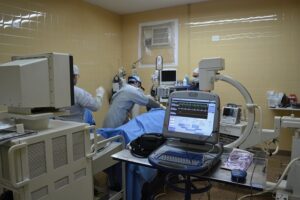
The intensive nature of ARDS necessitates a critical care environment for most patients. Admission to an Intensive Care Unit (ICU) is almost universally required for ARDS cases due to the severity of the respiratory failure and the need for close monitoring. Patients may require continuous monitoring of vital signs, blood gases, and hemodynamic parameters to ensure that treatment efforts are effective.
ICUs are equipped with advanced technology to manage ventilatory support and other life-sustaining measures. The decision to place a patient on a ventilator and the specific settings can significantly impact the duration of the stay. Some patients may require high levels of supportive care, with frequent adjustments to ventilator settings, sedation, and other interventions.
- Management in an ICU is essential for patient safety and treatment efficacy.
- Continuous monitoring of vital signs and blood gases is critical.
- Ventilator management may require complex interventions over extended periods.
Complications and Comorbidities
Patients with ARDS frequently experience multiple complications that can prolong their hospitalization. Common complications include ventilator-associated pneumonia, barotrauma, and pulmonary embolism, among others. Additionally, ARDS can be precipitated by comorbidities like chronic obstructive pulmonary disease (COPD), obesity, and cardiac disease, which can further complicate recovery and require more extended care and management.
The need to address these complications adds layers of complexity to patient management. For instance, a patient who develops pneumonia while on a ventilator may require not only antibiotics but also changes in ventilator settings, which can complicate their ARDS treatment protocol and extend their stay.
- Complications like ventilator-associated pneumonia can arise swiftly during treatment.
- Comorbidities can add challenges to the healing process and extend hospital stays.
- Multifaceted management strategies are required to address complications effectively.
Weaning from Mechanical Ventilation
An essential aspect of ARDS recovery is the gradual weaning of patients off mechanical ventilation. This process can be lengthy and is not always straightforward. Patients need to regain their respiratory muscles’ strength and ability to breathe independently, which can vary greatly from one individual to another.
Weaning protocols involve multiple assessments and trials to determine the readiness for extubation (removal of the endotracheal tube). This process is critical as premature extubation can lead to respiratory failure and necessitate re-intubation, creating additional distress and prolonging hospital stays.
- Weaning requires careful monitoring and multiple assessments to ensure readiness.
- Some patients may need significant time to build respiratory muscle strength.
- Failures in weaning can extend hospitalization duration significantly.
Physical Rehabilitation Needs
Once patients are stable enough to be weaned off mechanical ventilation, they often face the challenges of physical rehabilitation. Prolonged bed rest due to critical illness leads to muscle atrophy, weakness, and decreased physical endurance, referred to as “ICU-acquired weakness.”
Rehabilitation requires a multidisciplinary approach, often involving physical therapists, occupational therapists, and rehabilitation specialists to aid in the return to functional status. The need for intensive rehabilitation can often extend a patient’s hospital stay, as they require thorough assessments and tailored exercise programs.
- Post-intensive care rehabilitation is essential for restoring functionality.
- Collaboration among various specialists usually enhances recovery outcomes.
- Extended rehab efforts can lengthen hospital stay as patients regain their strength.
Emotional and Psychological Factors
Beyond the physical challenges of ARDS, emotional and psychological factors play a significant role in the recovery process. The trauma of a critical illness can lead to psychological complications, including anxiety, depression, and post-traumatic stress disorder (PTSD), which are often exacerbated by the intensive medical experience.
Healthcare providers typically screen for these psychological impacts and may offer counseling or psychiatric support. The necessity for psychological support can result in prolonged hospital stays, as patients may need to stabilize both physically and mentally before discharge.
- Psychological support is often necessary for comprehensive care.
- Emotional distress can impact the patient’s motivation and recovery timeline.
- Addressing mental health needs is vital for long-term recovery outcomes.
Care Coordination for Discharge Planning
A critical aspect of management for patients with ARDS is discharge planning, particularly if ongoing support will be required after hospital discharge. Complex cases may necessitate longer hospital stays while healthcare teams work to coordinate the necessary resources such as home health services, therapy, or ongoing outpatient care.
Communication between all stakeholders—patients, families, healthcare teams, and community resources—is vital to ensure a safe transition from hospital to home or rehabilitation facilities. This often involves meetings to discuss the patient’s ongoing needs, recovery goals, and the importance of follow-up appointments.
- Effective discharge planning includes coordination of various resources.
- Involving families in care discussions enhances the transition process.
- Ongoing outpatient resources may be crucial for patient recovery post-discharge.
FAQs about ARDS and Hospital Stays
What is the average length of hospital stay for ARDS patients?
The length of stay can vary widely depending on the severity of the condition and complications, averaging anywhere from a week to several months.
Are there long-term effects after recovering from ARDS?
Yes, many patients experience lingering effects such as reduced lung capacity, decreased physical stamina, and psychological impacts that require ongoing rehabilitation and support.
What types of follow-up care are needed after hospital discharge?
Follow-up care typically includes physical therapy, pulmonary rehabilitation, and monitoring of mental health, as well as regular follow-up appointments to assess lung function.
Is there anything I can do to prevent ARDS?
Preventive measures include maintaining good hygiene, vaccination against respiratory illnesses, and managing chronic diseases effectively.
Conclusion
ARDS represents not only a medical challenge but also an emotional journey for patients and their families. The complexity of the condition necessitates comprehensive and often prolonged care to address a wide array of physical and psychological issues. Understanding the reasons behind long hospital stays associated with ARDS can lessen anxiety for those affected by it. The collaboration among healthcare providers, patients, and families is vital to ensure optimal recovery. With proper management and support, individuals recovering from ARDS can look forward to regaining their health and quality of life, even if their journey through recovery is lengthy and complicated.
For further information, consult additional resources such as the Healthline article on ARDS and studies published by the NIH discussing treatment outcomes and long-term care considerations for ARDS patients.
About ARDS and Post-ARDS
ARDS (Acute Respiratory Distress Syndrome) is a life-threatening condition typically treated in an Intensive Care Unit (ICU). While ARDS itself is addressed during the ICU stay, recovery doesn’t end with discharge; patients then embark on a journey of healing from the effects of having had ARDS.
Disclaimer
The information provided in ARDS Alliance articles is for general informational and educational purposes only and is not a substitute for professional medical advice, diagnosis, or treatment. While we strive to present accurate, current information, the field of Acute Respiratory Distress Syndrome (ARDS) and related healthcare practices evolve rapidly, and ARDS Alliance makes no guarantee regarding the completeness, reliability, or suitability of the content.
Always seek the advice of qualified healthcare professionals with any questions you may have regarding a medical condition. Never disregard professional medical advice or delay seeking it because of information you read in ARDS Alliance articles. ARDS Alliance, its authors, contributors, and partners are not liable for any decision made or action taken based on the information provided in these articles.
About ARDS Alliance
Our mission is to improve the quality of life for ALL those affected by ARDS.
The ARDS Alliance is a non-profit committed to raising awareness and enhancing the understanding of Acute Respiratory Distress Syndrome (ARDS), a severe lung condition often occurring in critically ill patients. Through developing alliances, it unites various organizations and experts striving to improve care and support research aimed at finding more effective treatments. Their efforts include educating the public and healthcare providers about ARDS symptoms, risk factors, and advancements in treatment, ensuring better patient outcomes and resource availability.

“As the President of ARDS Alliance, I am dedicated to improving awareness and support for patients suffering from acute respiratory distress syndrome. Our organization works tirelessly to provide resources and education to both patients and healthcare professionals. By fostering a community of understanding and advocacy, we strive to make a positive impact on those affected by this devastating condition.”
~ Paula Blonski
President, ARDS Alliance
ARDS Articles